
The eight principles of health · 2 of 8
Nutrition
Food is one of God's gifts. In the Bible's first chapter He gave people seeds, grains and fruit to eat, and plants are still the heart of a good plate. (In the King James Bible, “meat” means food of any kind.)
- What it is
- Plenty of plant foods, simply prepared, eaten at regular times.
- Why it matters
- Our bodies are built and repaired from what we eat, every day.
- Where to start
- Add one more serving of vegetables to your main meal.
Key verse
And God said, Behold, I have given you every herb bearing seed, which is upon the face of all the earth, and every tree, in the which is the fruit of a tree yielding seed; to you it shall be for meat.
Food is a basic need
Dr Horst Müller teaches that the body cannot feed itself. It tells us when it is hungry, and we decide what to give it. As he puts it, “The body itself cannot lie; its signals are correct” (Why Do We Get Sick?, page 18). Our part is to listen, and to choose well.
He also teaches that every part of us works like a channel: it takes something in, uses it and passes it on. Good food taken in becomes strength given out, for work, for family and for other people.
“Whether therefore ye eat, or drink, or whatsoever ye do, do all to the glory of God.”
1 Corinthians 10:31 (KJV)
Built from what we eat
Every day the body wears a little, and every day it is repaired. The material for that repair comes from our plates. That is why food matters so much, and why small, steady choices add up over a lifetime.
“Our bodies are built up from the food we eat. There is a constant breaking down of the tissues of the body; every movement of every organ involves waste, and this waste is repaired from our food.”
“I will praise thee; for I am fearfully and wonderfully made: marvellous are thy works; and that my soul knoweth right well.”
Psalm 139:14 (KJV)
God's first menu
The food God gave in the beginning was seeds, grains and fruit. Ellen G. White took that as the pattern for a healthy diet, and she asked for it to be prepared simply.
The Bible tells of a young man named Daniel, far from home in Babylon, who asked for plain food and water instead of the king's rich meals. After ten days, he and his friends looked healthier than the young men who ate from the king's table (Daniel 1:15).
“Grains, fruits, nuts, and vegetables constitute the diet chosen for us by our Creator. These foods, prepared in as simple and natural a manner as possible, are the most healthful and nourishing.”
“Prove thy servants, I beseech thee, ten days; and let them give us pulse to eat, and water to drink.”
Daniel 1:12 (KJV)
What to put on your plate
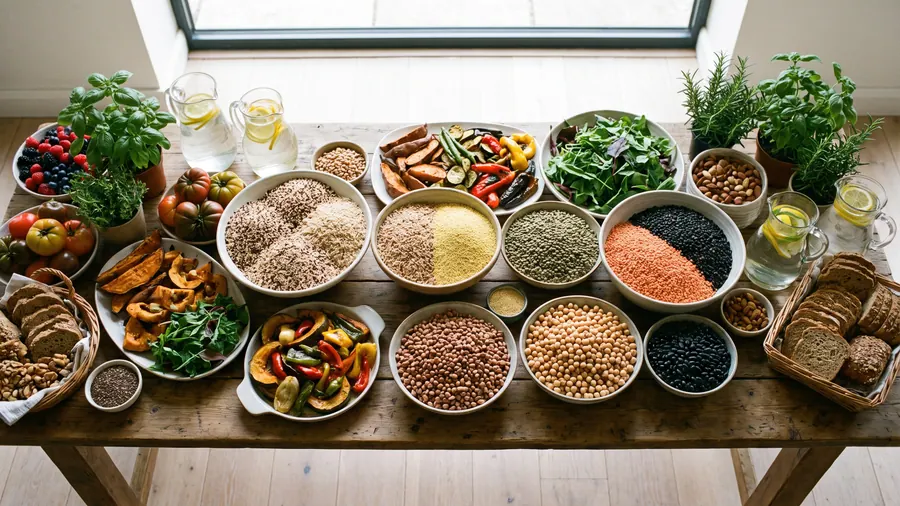
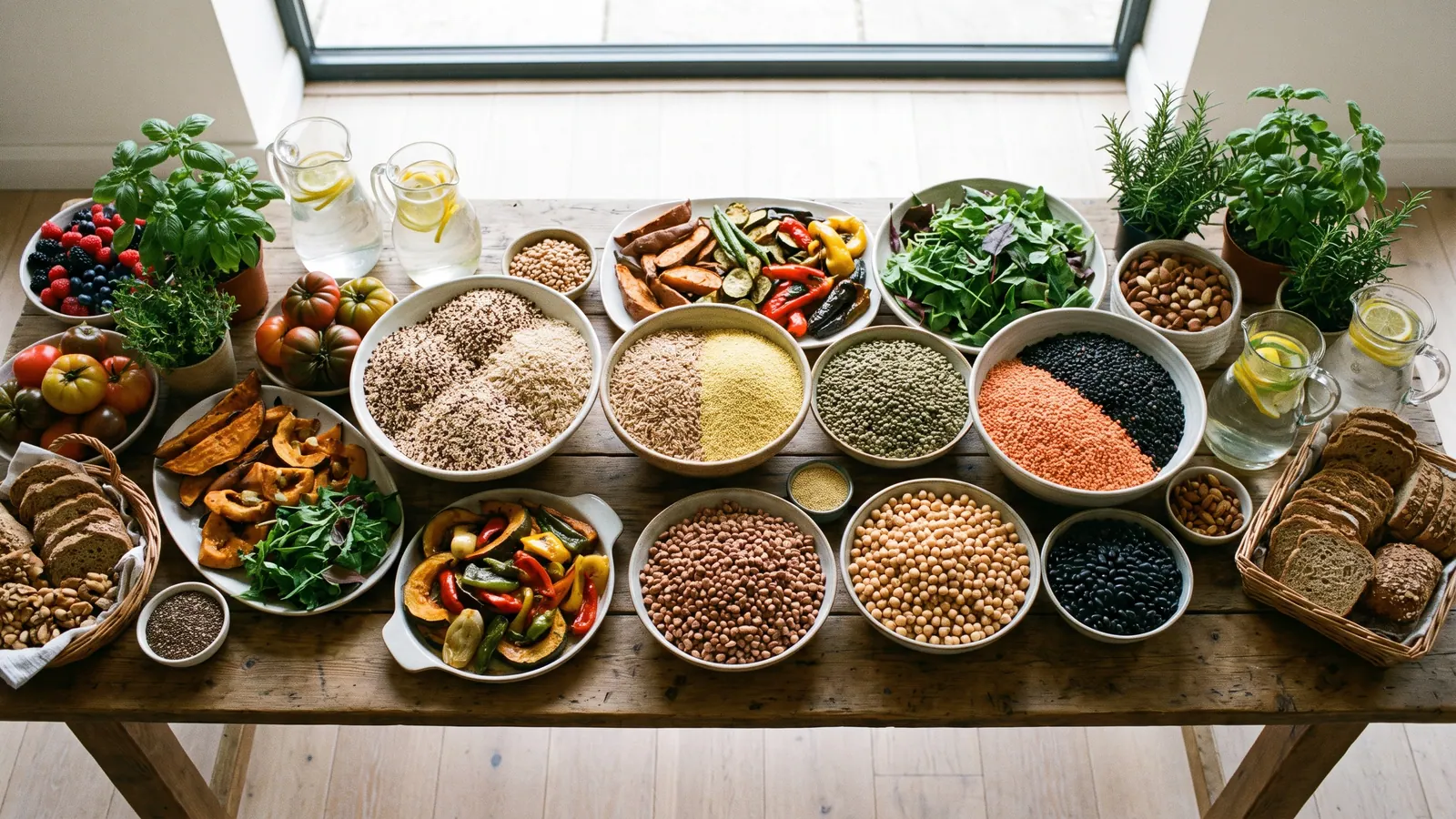
Fill most of your plate with vegetables, fruit, whole grains, beans, lentils and nuts. Choose foods that look much as they did when they were grown. Go easy on sugar, salt and heavily processed foods, and keep them for now and then.
There is no single right menu for everyone. What suits a farm worker in winter will not suit an office worker in summer, and your doctor may have advice that is just for you. You do not need to change everything at once. Small, steady changes are easier to keep than big ones.
“God has given us an ample variety of healthful foods, and each person should choose from it the things that experience and sound judgment prove to be best suited to his own necessities.”
“He causeth the grass to grow for the cattle, and herb for the service of man: that he may bring forth food out of the earth;”
Psalm 104:14 (KJV)
Food comes from outside us
Dr Mark Sandoval points out that we cannot make our own food, any more than we can make our own air. We can do our part in the garden, but the life in the seed is not ours to give. Growing even a little of your own food, a pot of herbs or a row of beans, is a good reminder of where every meal really comes from.
“You can participate in the growing process by planting, watering, weeding, etc., but you cannot give the seed life and make it grow and produce.”
“So then neither is he that planteth any thing, neither he that watereth; but God that giveth the increase.”
1 Corinthians 3:7 (KJV)
When and how to eat
Regular meals at regular times help the body settle into a rhythm. Sit down to eat, eat slowly, and stop when you are satisfied rather than full. Try to finish your last meal of the day well before bedtime.
Meals are also for sharing. Eating with others, and giving thanks before you begin, turns an ordinary meal into something more.
“Regularity in eating is of vital importance. There should be a specified time for each meal.”
“Blessed art thou, O land, when thy king is the son of nobles, and thy princes eat in due season, for strength, and not for drunkenness!”
Ecclesiastes 10:17 (KJV)
A cheerful table
Healthy food does not have to be dull. A table set with care, colourful food and good company make a simple meal a pleasure, and a thankful heart makes it better still.
“Let the table be made inviting and attractive, as it is supplied with the good things which God has so bountifully bestowed. Let mealtime be a cheerful, happy time. As we enjoy the gifts of God, let us respond by grateful praise to the Giver.”
“O taste and see that the LORD is good: blessed is the man that trusteth in him.”
Psalm 34:8 (KJV)
Something to try this week
- Add one extra serving of vegetables to your main meal each day.
- Swap a sweet snack for a piece of fruit or a handful of nuts.
- Try one meal built around beans or lentils.
- Keep to regular mealtimes, and give thanks before you eat.
- Sow a pot of herbs or salad greens on a sunny windowsill.
These pages are general health education, not medical advice. Everyone is different, so if you have a health concern, or you are thinking about a big change, please talk with your doctor first.
Where these words come from
Every Bible verse on this page is from the King James Version, quoted word for word, so you can look each one up for yourself. The other quotations are copied exactly from these books, with the page they are on:
- Ellen G. White, The Ministry of Healing Read free in our health library
- Dr Horst Müller, Why Do We Get Sick? Download the whole book free
- Dr Mark Sandoval, The Law of Life Read the first chapter free
Keep reading
The eight principles, in order. Choose any one to read next.