
 The Practical Life
Mental Health Collection
Breath
Mental Health & Lifestyle

Mental wellness is closely linked to physical health and spiritual peace.
In today’s fast-paced world, mental fatigue and emotional stress are common struggles. At The Law of Life Charitable Trust, we emphasise that mental wellness is closely linked to physical health and spiritual peace. The principles of the “Law of Life” offer a sustainable pathway towards clarity and resilience.
This guide looks at the garden as a place to move and to rest, and at the everyday habits of movement, sleep and quiet that steady the mind.
“In order to have good blood, we must breathe well. Full, deep inspirations of pure air, which fill the lungs with oxygen, purify the blood. They impart to it a bright color and send it, a life-giving current, to every part of the body. A good respiration soothes the nerves; it stimulates the appetite and renders digestion more perfect; and it induces sound, refreshing sleep.”
This page is general education, not medical advice. Please talk to your doctor before making big changes, especially if you have a health condition.
Try it
A minute on the garden bench
Slow down and breathe with the circle for one minute.
Pace
Sit somewhere you can see something growing. Breathe in through the nose as the circle grows, and out slowly as it falls. Stop whenever you like.
Press the button to begin.
Active for generations
The garden as a place to move
Four ordinary garden jobs, and what each one asks of the body.
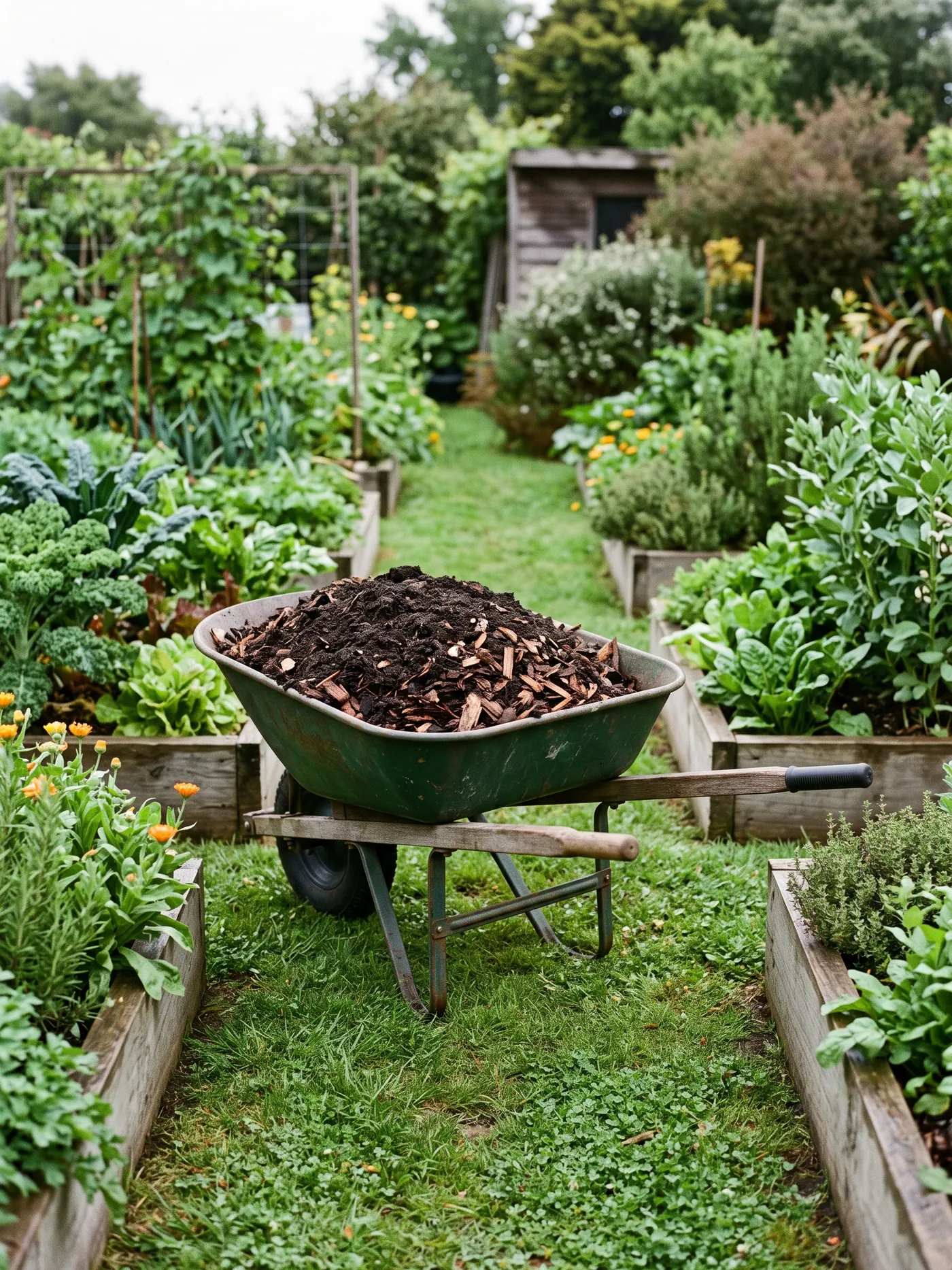
The wheelbarrow
Moving soil and mulch with a single-wheel barrow asks for balance and steady use of your core muscles. Load it to a weight you can manage comfortably.
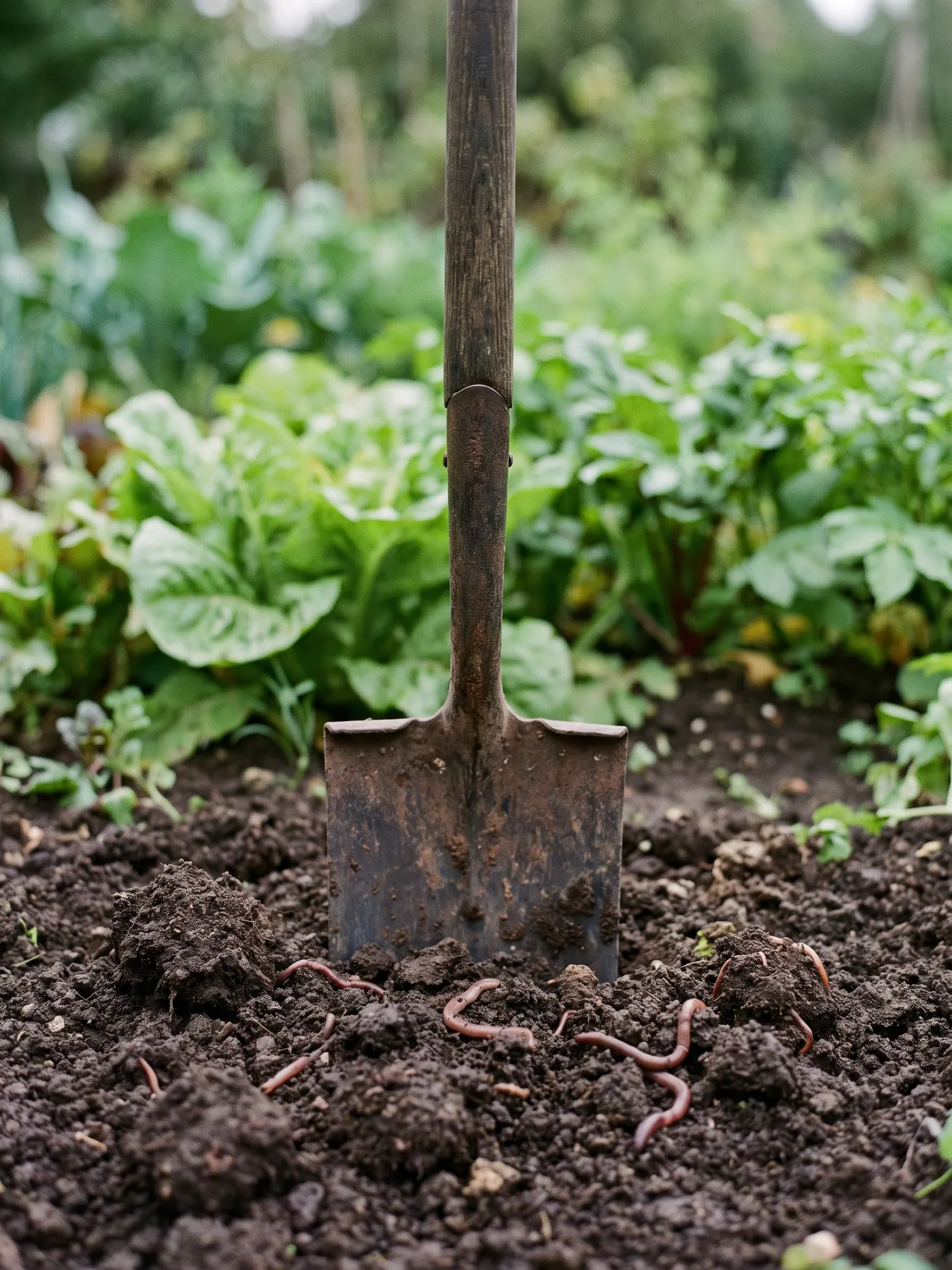
The spade
Turning soil with a good spade works the whole body and gets the heart and lungs working. Take it a little at a time, and bend your knees rather than your back.
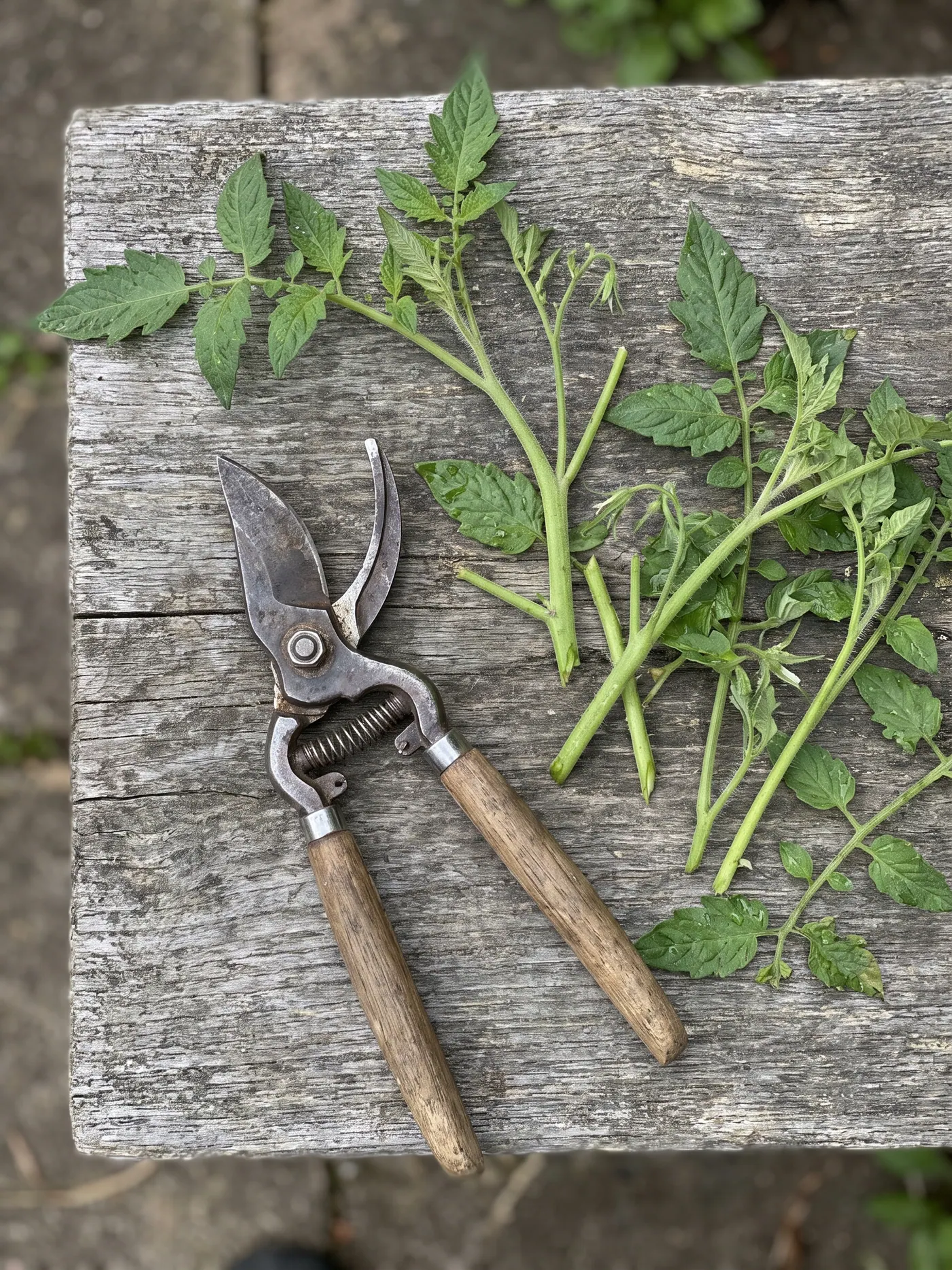
Pruning
Pruning is careful, detailed work that keeps the hands busy and the mind attentive.
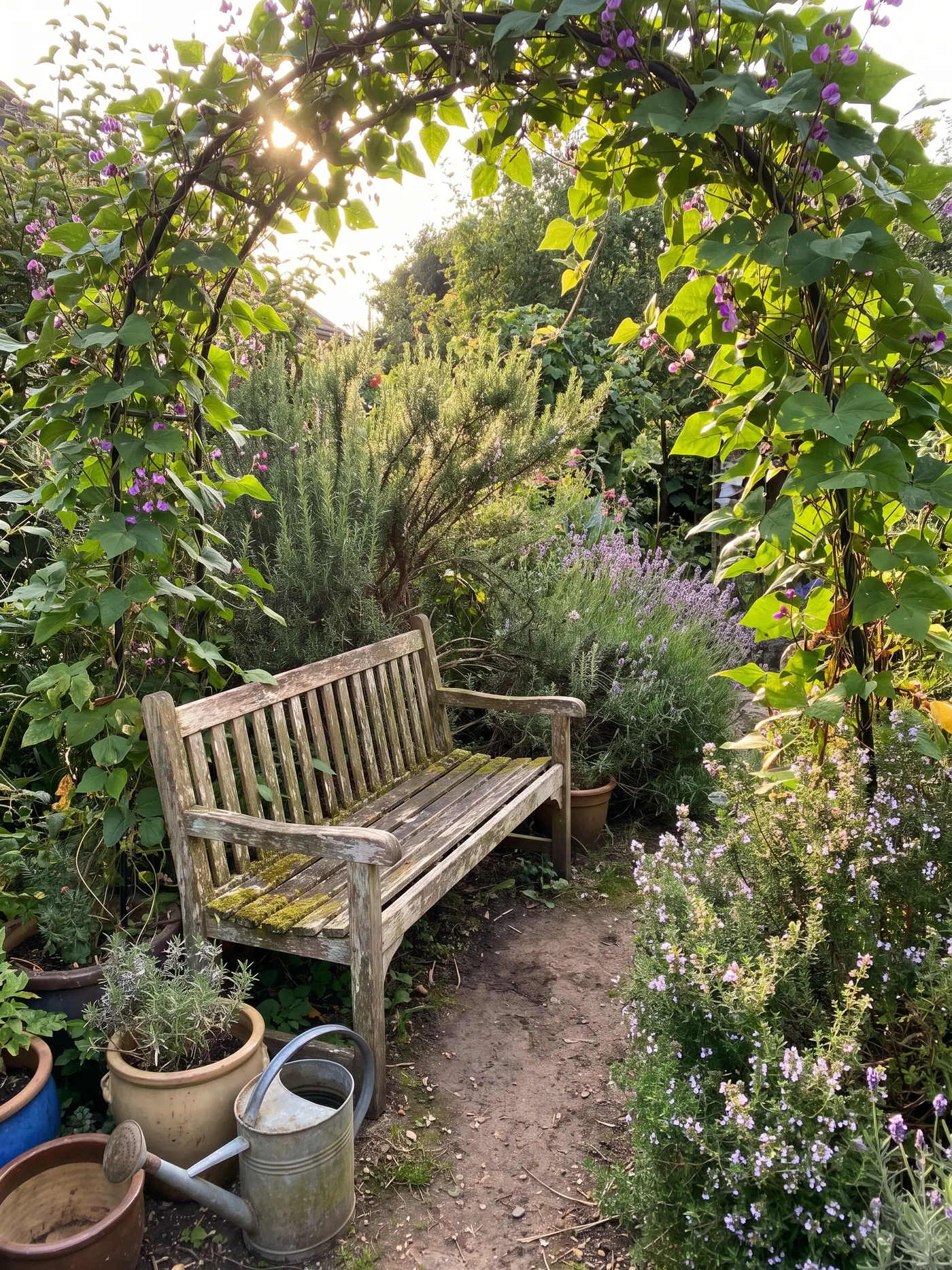
The garden bench
Rest is part of the work too. A pause on a garden bench is a chance to breathe fresh air deeply, slow down, and enjoy what is growing around you.

The Law of Rest
Quiet time with the Word of God gives a kind of rest that no holiday can offer.
Active for Generations
The Law of Rest
Mental and spiritual resilience
A calmer pace
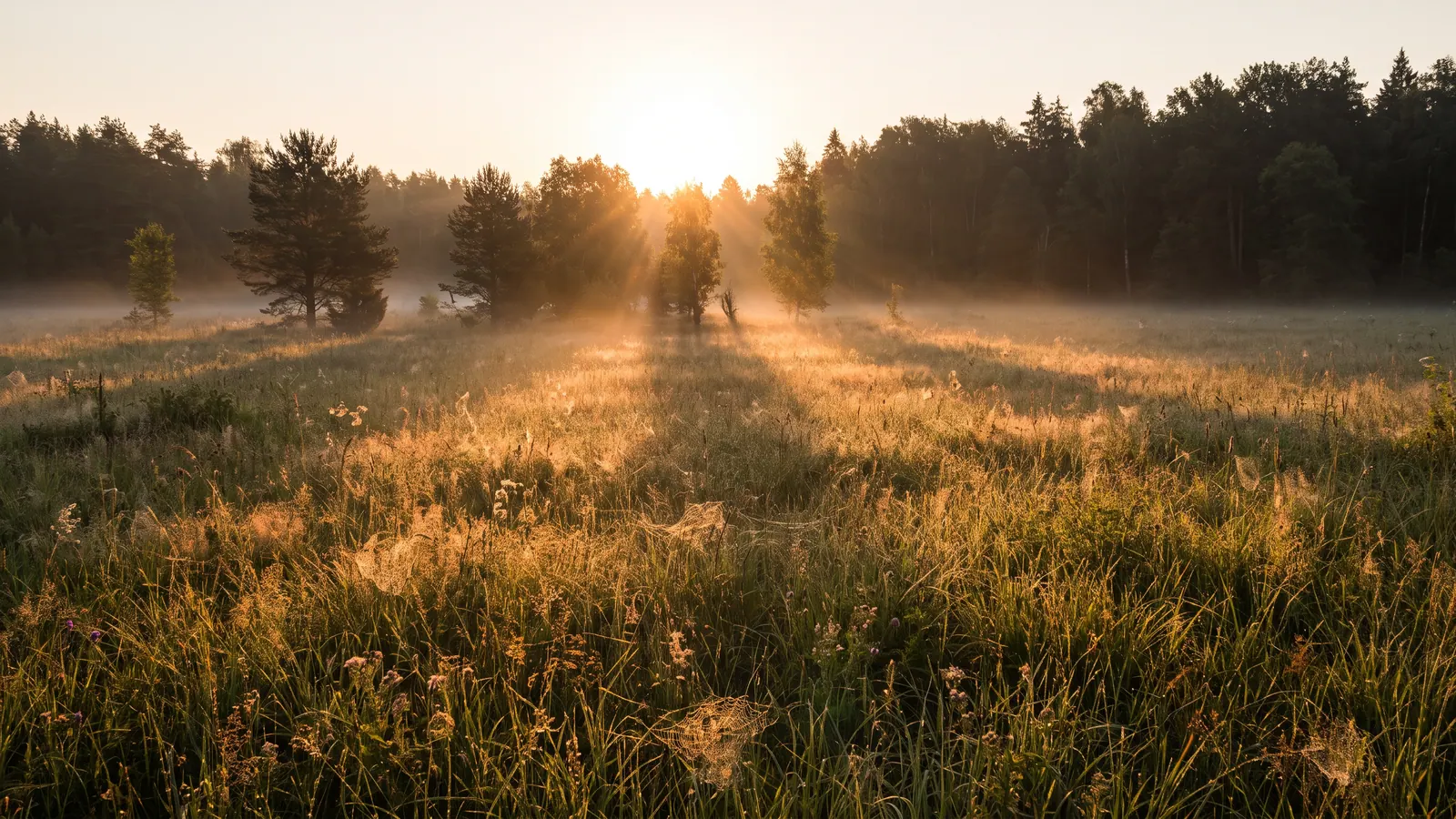
Many people find time in the garden calming: a break from screens and noise, with something living to tend.
Clarity
The steady rhythm of garden tasks can quiet the mind and leave room for prayer and reflection.

Physical restoration
The gym that feeds you
Movement with a purpose
Digging, carrying mulch and driving in stakes use the whole body. It is movement with a purpose, and a good reason to get up and outside. Go at your own pace.
The Law of Sunlight
Gardening gets you outside in daylight, and your body makes vitamin D when sunlight falls on your skin. New Zealand sun is strong, so in summer wear a hat and work in the cooler parts of the day.
The Harvest
Food on your own table
A little help with the food bill
Every lettuce or basket of tomatoes you grow is one you did not have to buy.
Knowing what is on your food
When you grow it yourself, you know exactly what has (and has not) been put on it. That is “The Law of Nutrition” in its simplest form.


Mind and body
Movement, rest and the nervous system
Body and mind are closely connected.
Daily movement
Physical activity is not just for muscles. Many people find that moving every day, even a short walk, helps them let go of the tension they carry.
Restful sleep
Good sleep matters for how we feel and how we cope. Simple habits help: regular times to go to bed and get up, daylight in the morning, and a quiet, dark room at night.
Spiritual rest
Finding quiet time to reflect on the Word of God gives a kind of rest that no holiday can offer: a resting of the soul that steadies us and clarifies our purpose.
If you are finding things hard, you do not have to manage alone. Talk to your doctor, or in New Zealand call or text 1737, free, any time, to talk with a trained counsellor.
“Come unto me, all ye that labour and are heavy laden, and I will give you rest.”
Matthew 11:28 (KJV)
Read alongside
The Practical Life puts the eight principles of health to work at home. These are the ones closest to this guide.
More from The Practical Life
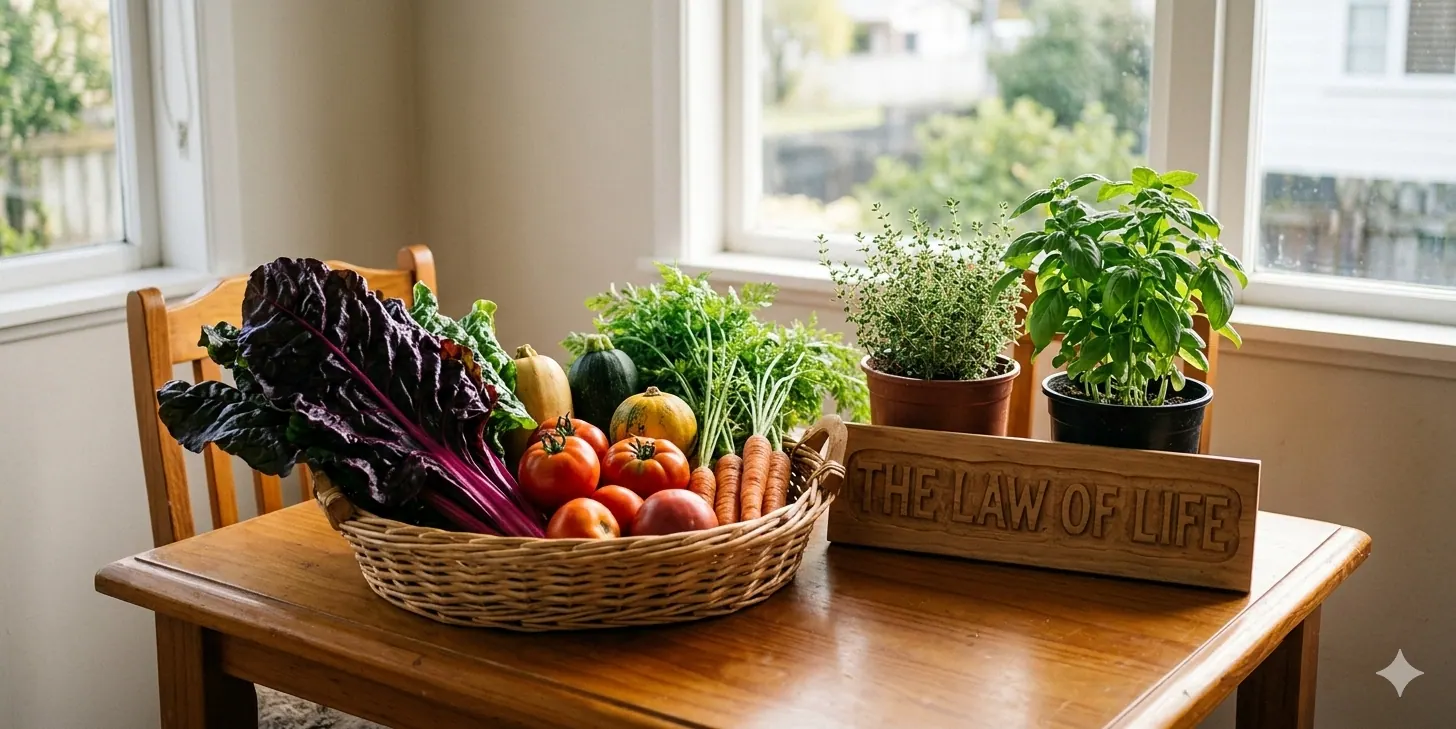 The HarvestHarvest guides for your home: what to grow, where to put your garden bed, how to build and water it, and how to make compost.Harvest
 Catching the RainCollection guides for your home: how to build a simple rainwater system, a ‘water house’, for the garden.Hydrate
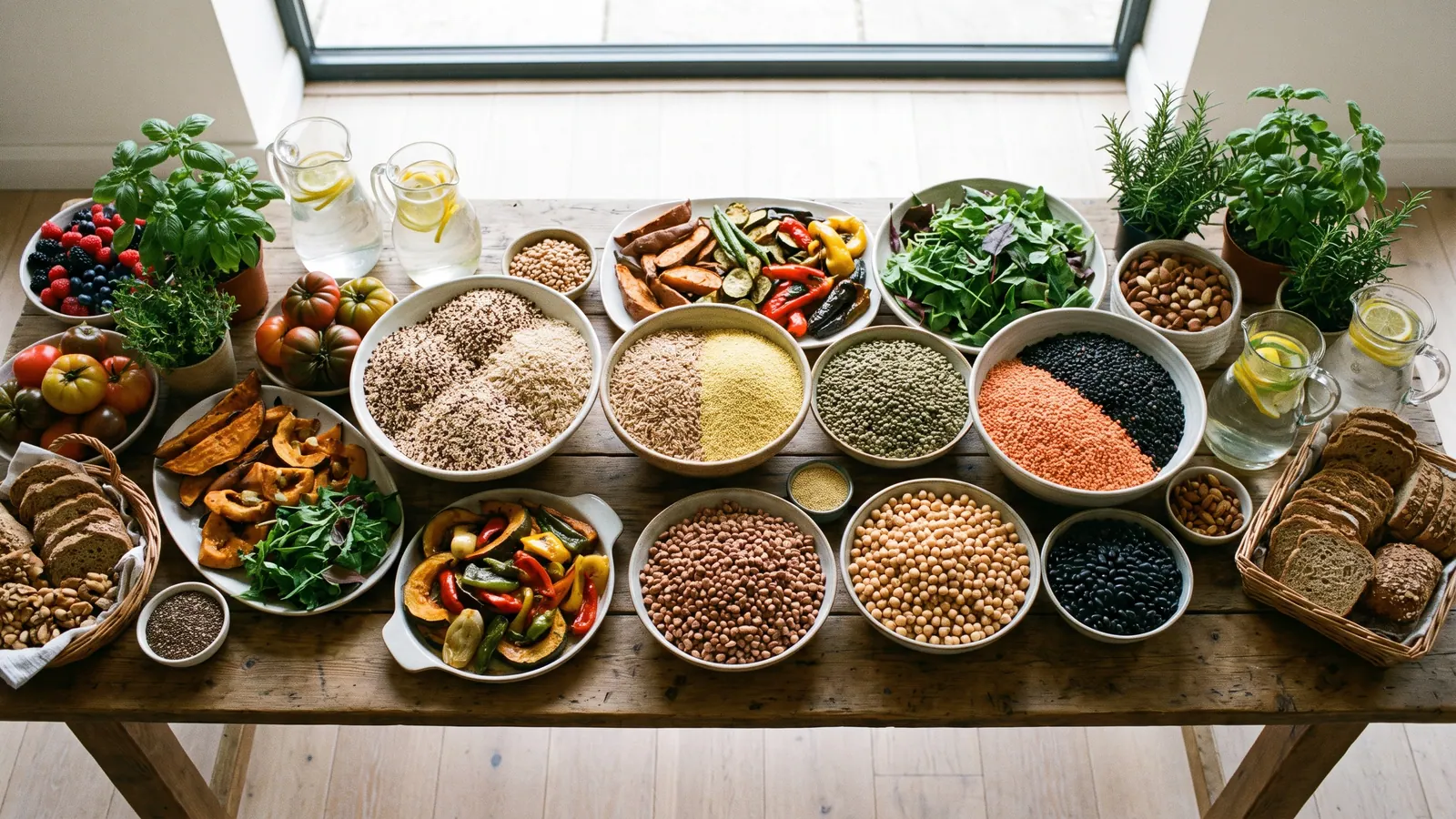 NutritionFrom the garden to the table: simple, wholesome food and a pantry that keeps.Produce
Questions about any of this?
If something here is unclear, or you would like help getting started, email us. A real person reads every message.